SAME-STORE SALES
For three years, Daniel Whitmore had been the kind of store manager corporate offices loved to brag about.
Forty-two years old, married, two kids, white American, clean-cut, painfully reliable.
His store sat on the corner of Maple and Fifth, in a town where everyone knew everyone.
And every year, Daniel beat the company’s targets.
Same-store sales were up.
Customer retention was up.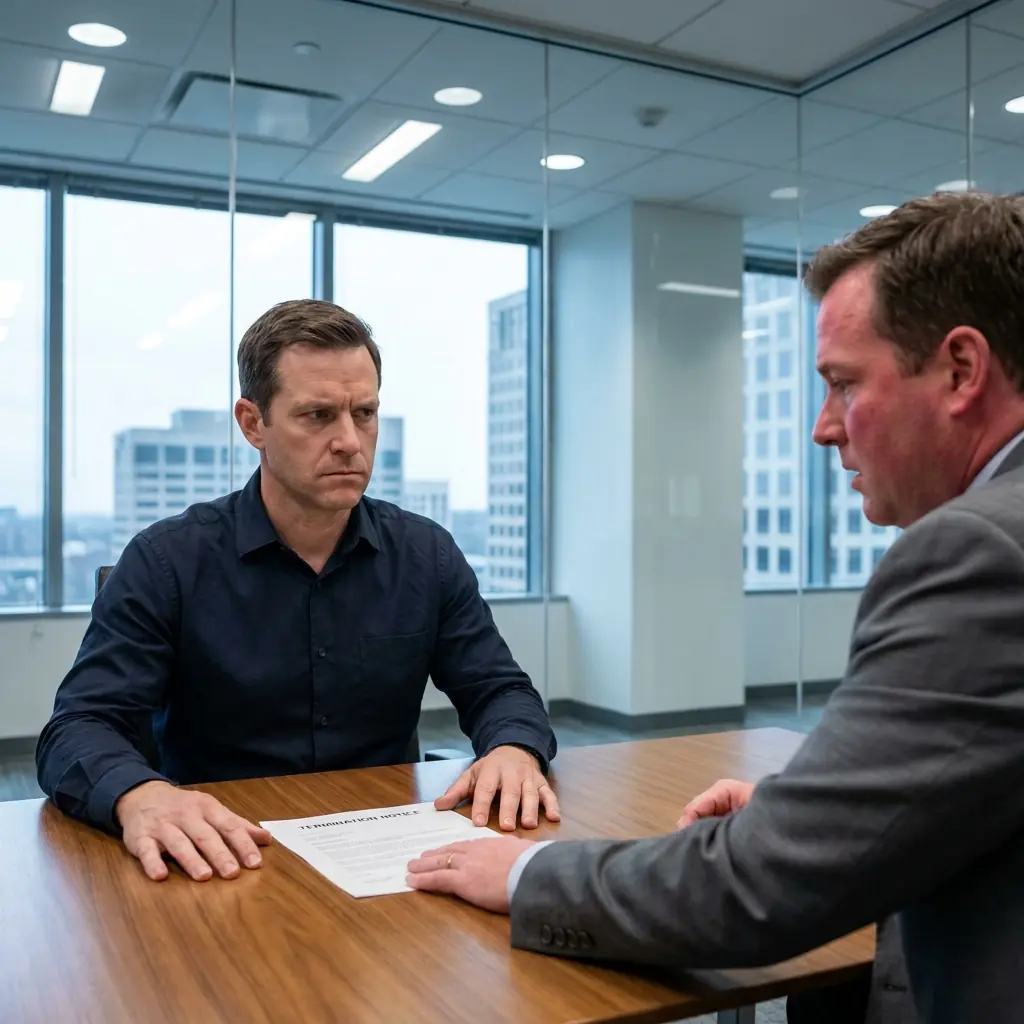
Shrink was down.
Employee turnover was among the lowest in the region.
For three consecutive years, his store had been the best-performing location in the district.
Daniel never complained about the endless reports.
Every night at 9:15, after the last customer left, he uploaded every number corporate requested.
Sales.
Inventory.
Margins.
Customer traffic.
Labor hours.
He believed that was what good managers did.
They followed the rules.
They delivered results.
Then, on a Tuesday morning, Daniel received an email from his regional director.
Subject: Confidential — Strategic Store Review
The meeting lasted twelve minutes.
His regional director, Mark Caldwell, wouldn't look him in the eyes.
“Daniel, we're restructuring the district.”
Daniel frowned.
“Am I being transferred?”
“No.”
“Promoted?”
Mark hesitated.
Then he pushed a document across the table.
Daniel stared at it.
His store was being sold.
Not closed.
Sold.
The buyer was a competing retail chain.
And Daniel's employment would end thirty days after the transaction.
He looked up slowly.
“But we're the best store in the region.”
Mark sighed.
“That’s exactly the problem.”
Daniel thought he had misheard him.
“What?”
Mark finally looked at him.
“You made that corner too valuable.”
Daniel walked out of the meeting holding a cardboard box.
For the first time in three years, he wished he had stopped being good at his job.
Daniel spent the next week trying to understand what had happened.
The official explanation was simple.
Corporate was “optimizing the portfolio.”
But the numbers didn't make sense.
Why sell the highest-performing location?
Why terminate the manager who had created the performance?
And why had the company quietly purchased another property only six blocks away?
Daniel started looking through old reports.