The wedding was supposed to be the happiest day of my son's life.
The ballroom glittered beneath enormous crystal chandeliers. White roses covered every table, golden candles illuminated the room, and hundreds of guests had gathered to celebrate what they believed was the beginning of a beautiful marriage.
But no one knew that, before the evening ended, the bride would discover that the woman she had humiliated was the one person she should never have underestimated.
I stood near the entrance, wearing a simple black dress, watching everything unfold.
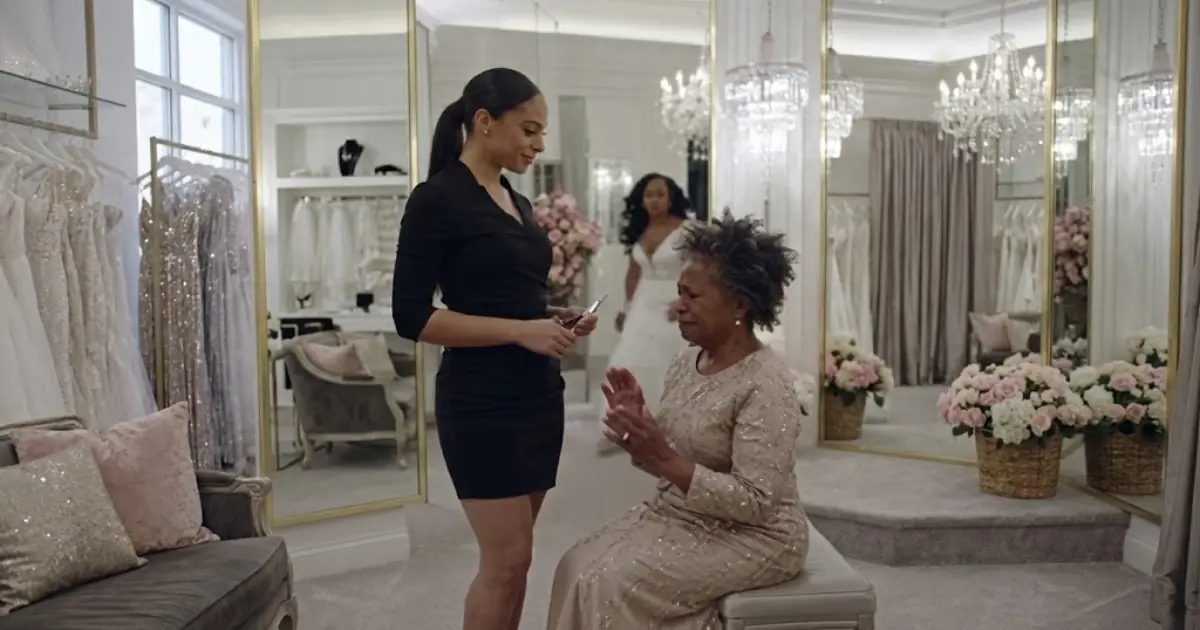
Across the room, an elderly woman sat quietly in an upholstered chair. Her hands trembled slightly as she held a small white handkerchief. Her silver hair had been carefully arranged, and her beige dress was modest compared with the expensive designer outfits surrounding her.
She looked uncomfortable.
Not because of her age.
Not because of the crowd.
But because someone had spent the entire evening making her feel as though she did not belong.
That woman was Margaret Collins.
And the bride, Victoria Hayes, had made one terrible mistake.
She had confused Margaret's kindness with weakness.
I had known Margaret for almost thirty years. I knew the sacrifices she had made, the nights she had spent worrying about her family, and the countless opportunities she had given up so that her only son could have a better life.
I also knew something about her past that almost nobody in that ballroom knew.
Something Victoria had never bothered to ask about.
Something that would soon turn her perfect wedding into the most unforgettable night of her life.
But to understand what happened beneath those chandeliers, you must first understand Margaret's story.
Margaret had never been the kind of woman who demanded attention.
She was sixty-eight years old, widowed, and had spent most of her adult life putting other people before herself. She lived in a comfortable but modest house on the outskirts of town, where the front garden was filled with roses and the kitchen always smelled of freshly baked bread.
Her husband, Robert, had died eleven years earlier.
He had been a mechanic, a quiet man with rough hands and a generous heart. Together, they had raised their son, Daniel, believing that honesty, hard work, and compassion were more valuable than money.
They had not been wealthy.
There were years when Margaret had to calculate every dollar before going grocery shopping. There were winters when she wore the same coat for several seasons because buying another one would have meant taking money away from Daniel's school expenses.
But she never complained.
When Daniel was twelve, he wanted to attend a summer science program that cost more than his parents could comfortably afford.
Margaret secretly took extra shifts at a local bakery.
She woke before sunrise, worked until her fingers became sore, returned home to prepare dinner, and then sat beside her son while he completed his homework.
Daniel never knew how much those extra hours had cost her.
He only remembered that his mother always encouraged him.
"One day, Mom," he had promised her, "I'm going to make enough money to give you everything you ever wanted."
Margaret had smiled and kissed his forehead.
"You don't have to give me everything, sweetheart. Just become a good man. That's enough."
And for a long time, Daniel did exactly that.
He grew into a thoughtful young man. He studied business administration, worked several jobs while attending university, and eventually started a small construction company with a friend.
His first office was barely larger than a storage room.
The chairs were secondhand. The computers were outdated. The heating system barely worked during winter.
Margaret visited him one afternoon and found him eating a sandwich at his desk.
"Is this what successful businessmen eat?" she teased.
Daniel laughed.
"Only the ones who are still trying to become successful."
She placed a container of homemade food on his desk.
"Then eat something proper before you become too important to remember where you came from."
He hugged her.
Those were the moments Margaret treasured most.
She did not care about expensive restaurants, luxury cars, or impressive houses. She wanted her son to remember the little kitchen where they had eaten together, the old photographs on the hallway wall, and the sacrifices that had helped him reach his dreams.
Then Daniel met Victoria.
At first, Margaret was genuinely happy for him.
Victoria was beautiful, confident, and impeccably dressed. She worked in luxury real estate and came from a family that valued appearances, social connections, and financial success.
Their first meeting took place at Daniel's apartment.
Victoria arrived wearing a designer coat, carrying an expensive handbag, and speaking about a vacation in Europe.