U.S. health officials are reminding Americans not to underestimate unusual behavior from wild animals after a series of rabies-related exposure concerns this summer.
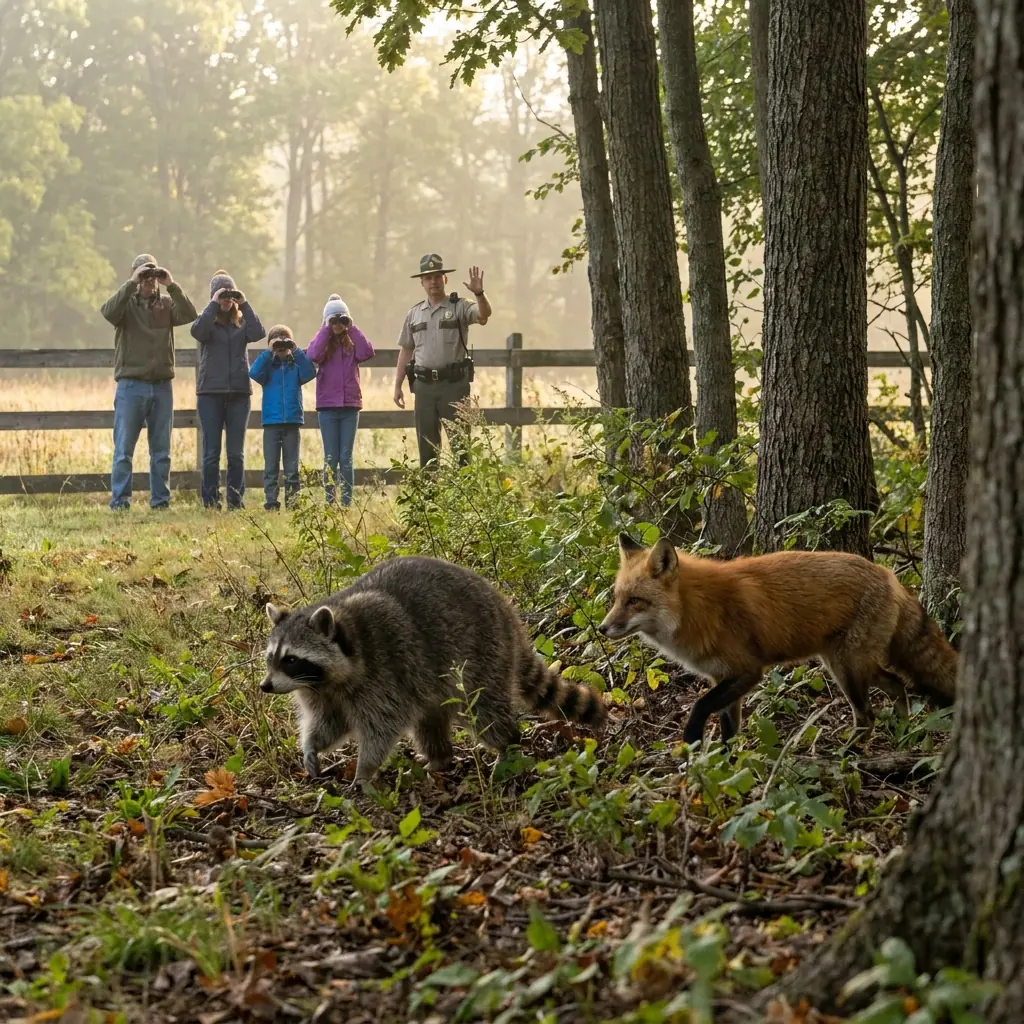
The warning comes as wildlife encounters continue to draw attention across the country, particularly in areas where people may come into contact with bats, raccoons, skunks, foxes and other mammals that can carry rabies.
The Centers for Disease Control and Prevention (CDC) says rabies is preventable when appropriate treatment begins before symptoms develop, but once clinical symptoms appear, the disease is almost always fatal.
That is why officials are urging people not to wait after a potentially dangerous encounter with an animal.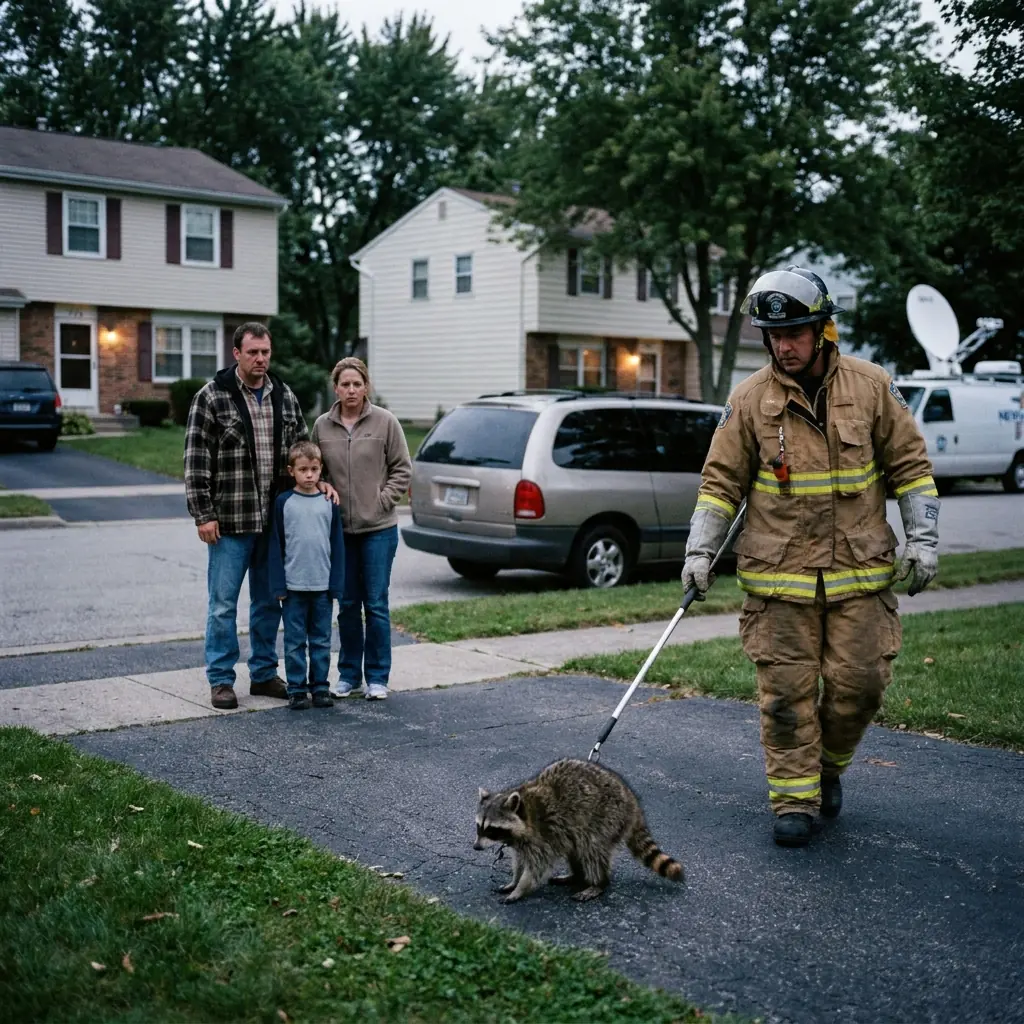
🦝 A STRANGE ANIMAL ENCOUNTER CAN BECOME A MEDICAL EMERGENCY
Rabies is caused by a virus that attacks the central nervous system.
In the United States, human rabies remains rare, but potential exposures are much more common. The CDC says about 100,000 Americans receive post-exposure prophylaxis each year after possible exposure.
The virus is most commonly transmitted through the bite or scratch of an infected animal.
But the warning isn't simply about animals that appear aggressive.
Wild animals displaying unusual behavior can also be a reason for caution.
A normally nocturnal animal appearing during the day, an animal behaving unusually calmly around humans, or wildlife that appears sick or disoriented should not be approached.
And people should never attempt to capture or handle a potentially rabid animal themselves.
⚠️ WHAT HAPPENS AFTER A POSSIBLE EXPOSURE?
The first step is surprisingly simple:
Wash the wound immediately with soap and water.
The CDC recommends thorough wound cleansing as an important part of rabies prevention. People should then contact a healthcare provider or local health department for a risk assessment as soon as possible.
Whether someone needs rabies treatment depends on the circumstances of the exposure, the animal involved, whether the animal can be tested or observed, and the person's vaccination history.
Doctors and public health officials make that assessment rather than relying solely on whether the animal “looked sick.”
💉 WHY THE VACCINE HAS TO BE GIVEN CORRECTLY
For people who have never previously been vaccinated against rabies and who are determined to need post-exposure prophylaxis, CDC guidance calls for immediate wound care, human rabies immune globulin (HRIG), and a four-dose vaccine series on days 0, 3, 7 and 14. People with certain immune conditions may require an additional dose.
The details matter.
CDC specifically warns that HRIG and the first rabies vaccine dose should not be administered in the same syringe or at the same anatomical site because the immune globulin can interfere with the vaccine's effectiveness at that location.
People who have previously completed rabies vaccination generally require a different post-exposure regimen, typically two vaccine doses three days apart and no HRIG.
That's why anyone who may have been exposed should tell healthcare professionals about previous rabies vaccination.
🐾 WILDLIFE SHOULD BE LEFT ALONE
The CDC says rabies in the United States is primarily found in wild mammals such as bats, raccoons, skunks and foxes.
That doesn't mean every animal in those species has rabies.
It means people should understand the risk and avoid unnecessary contact.
Never try to pet a wild animal.
Never feed it.
And don't assume an apparently friendly animal is safe simply because it doesn't attack.
Pets can also become exposed when they encounter infected wildlife, making routine vaccination and responsible supervision important parts of prevention.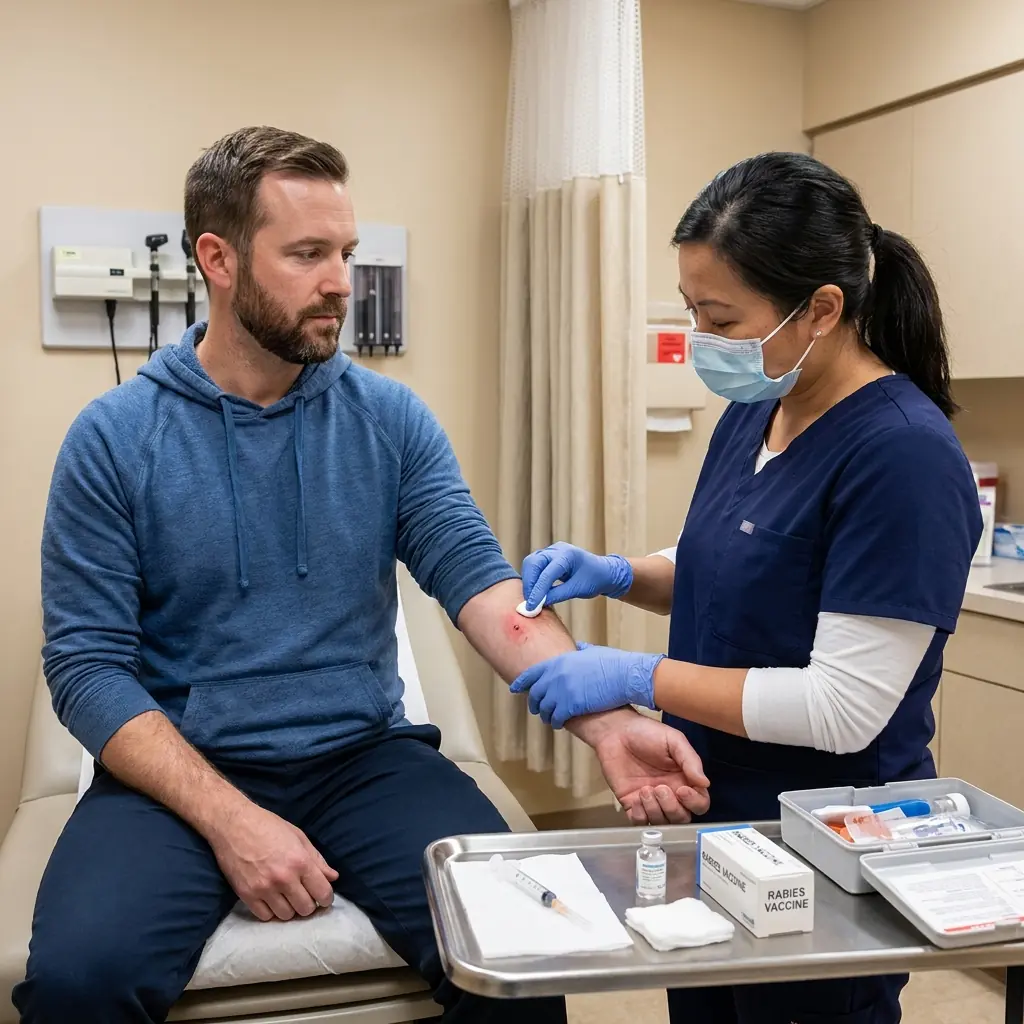
🚨 THE MOST IMPORTANT MESSAGE
Rabies is one of those diseases where timing matters enormously.
Someone who has been bitten or scratched by an animal that could have rabies should not wait for symptoms before seeking help.
Once symptoms begin, rabies is extremely dangerous and usually fatal, while appropriate post-exposure treatment can prevent the infection from developing.
And one important clarification about the news image accompanying some reports: a stock or Getty photograph of an animal should not be interpreted as proof that the pictured animal had rabies.
The safest rule is simple:
Don't approach wildlife that is acting strangely. Don't handle injured or unfamiliar wild animals. And after a possible exposure, wash the wound and contact a healthcare provider or local health department immediately.
Because with rabies, waiting to “see what happens” can be a dangerous gamble.