5 SURPRISING FACTS ABOUT FAST FOOD THAT MAY CHANGE HOW YOU SEE IT 🍔
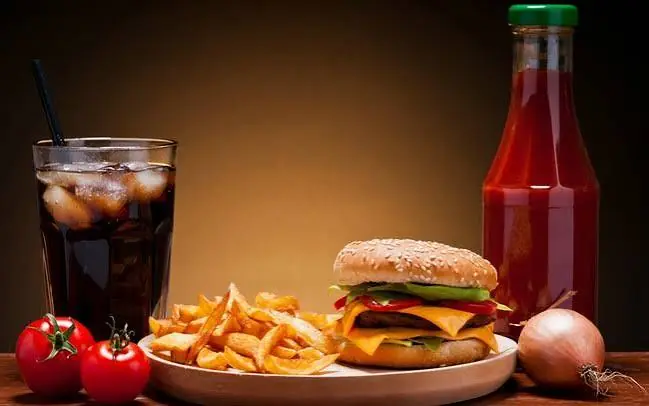 Fast food is convenient, affordable, and everywhere—but eating it frequently can come with downsides that are easy to overlook. Here are 5 facts about fast food that may make you think twice before your next order.
1. Some Meals Can Be Extremely High in Sodium 🧂
Burgers, fries, pizza, fried chicken, and other fast-food meals can contain a substantial amount of sodium.
Eating too much sodium regularly can contribute to higher blood pressure in some people. The American Heart Association recommends limiting sodium intake, particularly for people who are sensitive to its effects.
2. Liquid Calories Can Add Up Quickly 🥤
The food isn't always the biggest source of calories.
A large sugary soda or sweetened beverage can add a significant amount of sugar and calories to a meal without providing the same feeling of fullness as solid food.
Choosing water or an unsweetened drink can be one simple way to reduce the overall calorie load of a fast-food meal.
3. Fried Foods Can Be Very Energy-Dense 🍟
Deep-frying adds fat and therefore increases the calorie density of foods.
A relatively small serving of fries or fried chicken can contain considerably more calories than the same food prepared using a lower-fat cooking method.
That doesn't mean fried food must be completely avoided—but portion size and frequency matter.
4. Fast Food Often Comes With Large Portions
Many fast-food meals are designed around convenience and value, which can encourage people to eat more than they originally planned.
A combo meal can include a main dish, fries, and a large beverage—all consumed in one sitting.
Paying attention to portion size, eating slowly, and stopping when comfortably satisfied can help prevent unintentionally overeating.
5. Eating It Frequently Can Make a Healthy Diet Harder
The biggest concern isn't necessarily one burger or one order of fries.
The problem can arise when highly processed, calorie-dense foods regularly replace vegetables, fruits, whole grains, legumes, and other nutrient-rich foods.
A balanced diet can still include fast food occasionally. The key is making the overall eating pattern varied and nutrient-dense.
THE BOTTOM LINE
Fast food doesn't have to be completely off-limits.
The bigger issue is frequency, portion size, and what the rest of your diet looks like. Choosing smaller portions, drinking water instead of sugary beverages, and adding more nutrient-rich foods throughout the day can make a meaningful difference.
🍔 One meal isn't the problem. A daily habit can be.