For millions of smokers, quitting feels impossible.
Every cigarette can feel like a small escape from stress, pressure, or daily problems.
But behind that temporary relief is a powerful addiction that affects the body, the mind, and even the people around you.
The good news?
Quitting smoking is possible.
And the first step is not throwing away every cigarette.
The first step is making a real decision.
TIP 1: Build Your Support System
Trying to quit alone can make the journey much harder.
Tell your family.
Tell your friends.
Let the people around you know your quitting goal.
A strong support system can help you stay accountable when cravings become difficult.
Share your quit date.
Explain your triggers.
Tell them when you need encouragement.
Many people relapse because they hide their struggles and fight the battle alone.
Having someone remind you why you started can make a huge difference.
Support groups, quit programs, and professional guidance can also provide valuable advice from people who understand the challenge.
Remember:
Quitting is not a sign of weakness.
Asking for support is a sign that you are serious about changing your life.
TIP 2: Change The Routines Connected To Smoking
Smoking is not only a nicotine addiction.
It is also a habit connected to everyday moments.
Maybe you smoke after drinking coffee.
Maybe you smoke during work breaks.
Maybe you smoke whenever you feel stressed.
Over time, your brain connects these situations with cigarettes.
Breaking those patterns can weaken the connection.
Try changing your daily routine.
Take a different route to work.
Drink coffee in another location.
Replace smoke breaks with short walks.
Create new habits that give your brain something different to focus on.
Small changes may seem simple, but they can become powerful steps toward a smoke-free life.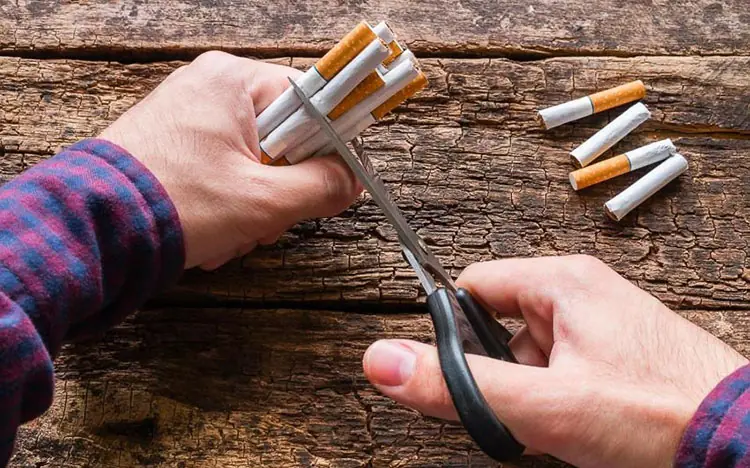
TIP 3: Remember Your Reason For Quitting
Every person has a different reason for quitting.
Some want to protect their health.
Some want to be there longer for their children.
Some want to save money.
Some simply want to feel free from addiction.
Whatever your reason is, keep it visible.
Write it down.
Put it somewhere you can see every day.
Because cravings often come in short moments.
During those moments, your motivation needs to be stronger than your temptation.
Remember:
The benefits of quitting begin quickly.
Your body starts recovering after your last cigarette.
Your heart and lungs begin working toward better health.
And quitting does not only protect you.
It also protects the people around you.
Secondhand smoke can affect family members, especially children.
Your decision today can create a healthier future for everyone you love.
TIP 4: Replace The Smoking Habit With Healthier Choices
Many smokers miss more than nicotine.
They miss the action.
Holding a cigarette.
Putting something in their mouth.
Taking a break.
These small behaviors become part of daily life.
That is why replacing the habit can help.
Try healthier alternatives:
Sugar-free gum.
Flavored toothpicks.
Vegetable sticks.
Drinking through a straw.
Stress balls.
Pens or small objects to keep your hands busy.
These replacements can help manage cravings while your body adjusts.
The goal is not just removing cigarettes.
The goal is creating new habits that replace the old ones.
Every time you choose a healthier option, you are training your brain to live differently.
TIP 5: Ask Healthcare Professionals For Help
Many people try quitting through willpower alone.
Some succeed.
But many struggle because nicotine addiction is powerful.
The good news is that there are proven tools that can make quitting easier.
Nicotine replacement options such as patches, gum, and lozenges may help reduce withdrawal symptoms.
Some people may also benefit from prescription treatments or counseling programs.
Talking with a healthcare provider can help you discover the approach that fits your situation.
Needing help does not mean you failed.
It means you are using every available resource to improve your chances of success.
Quitting smoking is a journey.
There may be difficult days.
There may be cravings.
There may even be setbacks.
But one mistake does not erase your progress.
Stay focused.
Keep moving forward.
Because every cigarette you refuse is a victory.
Every healthy choice you make is an investment in your future.
The hardest step is often the first one.
But once you take it, you begin building a life where cigarettes no longer control you.